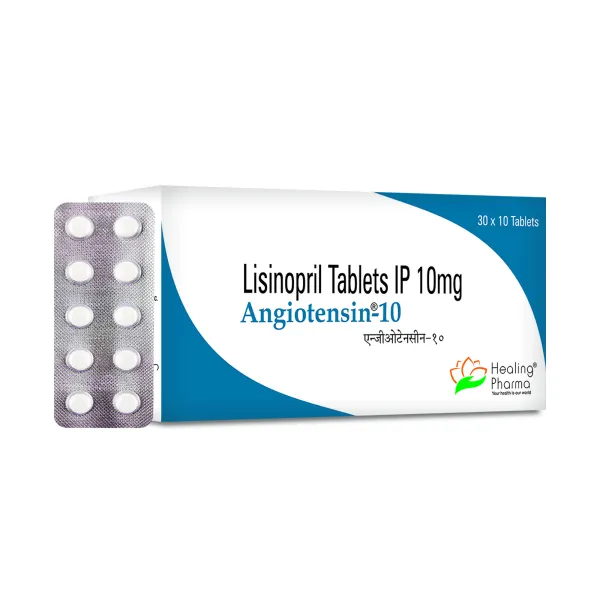
Description
Angiotensin 10 mg is a specialized medication formulated to help manage hypertension, a medical condition where blood pressure is persistently elevated. High blood pressure is a major risk factor for cardiovascular diseases, including heart attack, stroke, and kidney failure. Angiotensin 10 mg offers a targeted approach to controlling blood pressure by acting on the renin-angiotensin-aldosterone system (RAAS), which plays a crucial role in regulating vascular resistance and fluid balance.
Mechanism of Action
The RAAS is activated when the body experiences low blood flow to the kidneys, dehydration, or reduced sodium levels. This leads to the release of renin, which converts angiotensinogen into angiotensin I, and eventually into angiotensin II through enzymatic action. Angiotensin II is a powerful vasoconstrictor—it narrows blood vessels, increases fluid retention, and elevates blood pressure.
Angiotensin 10 mg interferes with this process by inhibiting the effects of angiotensin II. As a result, blood vessels relax and widen, reducing vascular resistance and improving blood circulation. This decreases the strain on the heart and allows for more efficient pumping of blood throughout the body, helping maintain optimal blood pressure levels.
Indications
Angiotensin 10 mg is primarily prescribed for adults with essential hypertension where no identifiable cause exists. It may also be used for secondary hypertension linked to kidney disorders, hormonal imbalances, or other medical conditions that disrupt normal blood pressure regulation.
This medication is often prescribed for patients with increased cardiovascular risk, including those with diabetes, obesity, sedentary lifestyles, or family histories of hypertension and heart disease. Angiotensin 10 mg helps prevent the long-term consequences of uncontrolled hypertension, such as heart failure, stroke, and renal impairment.
Dosage and Administration
The dosage of Angiotensin 10 mg is determined by the patient’s condition and how they respond to treatment. A doctor may start with a lower dose and gradually increase it to achieve the desired blood pressure control. It is typically taken once daily at the same time each day to ensure consistent medication levels.
Patients should never alter the prescribed dosage without consulting their healthcare provider. Missing doses or stopping the medication abruptly can cause blood pressure to rise suddenly, which can be dangerous.
Monitoring
Regular monitoring is critical while taking Angiotensin 10 mg. Blood pressure should be checked frequently to ensure that the treatment is working. Periodic blood tests may be conducted to monitor kidney function, potassium levels, and electrolyte balance, as these can be affected by the medication.
Doctors may also evaluate other health parameters, such as liver function and heart rhythm, especially in patients with complex health conditions or those taking multiple medications.
Side Effects
Most patients tolerate Angiotensin 10 mg well, although mild side effects may occur, particularly at the beginning of treatment. These can include dizziness, headache, fatigue, and dry cough. These symptoms typically resolve as the body adjusts.
More serious side effects, although rare, may include signs of kidney dysfunction, elevated potassium levels, or allergic reactions. Patients should seek immediate medical attention if they experience swelling of the face or lips, difficulty breathing, or severe weakness.
Drug Interactions and Precautions
Angiotensin 10 mg may interact with other medications, including diuretics, potassium supplements, lithium, and other blood pressure drugs. Patients should always inform their healthcare provider about all medications and supplements they are taking to avoid potential interactions.
It is not recommended for use during pregnancy or while breastfeeding unless specifically advised by a healthcare provider. Additionally, individuals with severe kidney or liver disease should use this medication cautiously under close medical supervision.
Lifestyle Recommendations
While Angiotensin 10 mg plays a significant role in blood pressure management, its effectiveness is enhanced by healthy lifestyle choices. Patients are encouraged to maintain a low-sodium diet, exercise regularly, and avoid smoking and excessive alcohol consumption. Stress management techniques such as meditation, yoga, or regular sleep patterns can also support optimal treatment outcomes.
Conclusion
Angiotensin 10 mg is a highly effective antihypertensive medication that offers a scientifically backed approach to controlling high blood pressure. By targeting the RAAS pathway, it relaxes blood vessels, improves circulation, and lowers the strain on the heart and kidneys. When combined with medical supervision, lifestyle changes, and regular monitoring, it helps prevent serious health complications and promotes long-term wellness.
For patients with hypertension, Angiotensin 10 mg is an essential therapeutic tool that supports heart health and improves quality of life. It offers reliable blood pressure control, minimizes risks associated with uncontrolled hypertension, and enhances overall cardiovascular function.

Reviews
There are no reviews yet.