Description
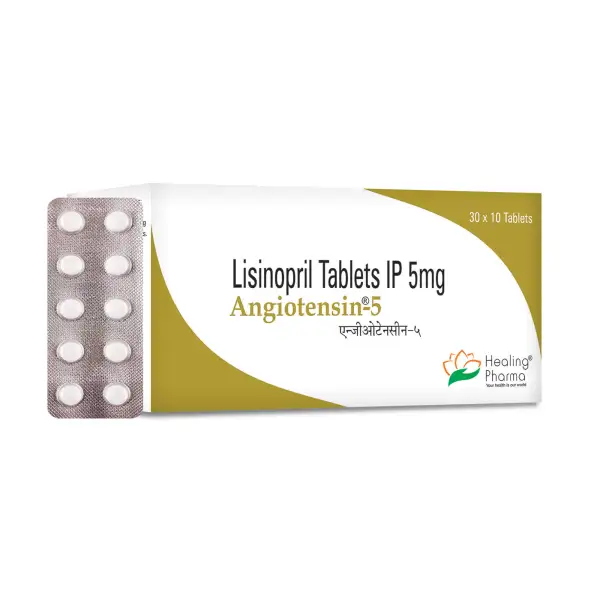
Angiotensin 5 mg is a trusted cardiovascular medication belonging to the class of angiotensin-converting enzyme (ACE) inhibitors. It plays a vital role in managing hypertension (high blood pressure), reducing the risk of serious cardiovascular events, and supporting overall heart health. By preventing the conversion of angiotensin I into angiotensin II, a substance that narrows blood vessels and increases blood pressure, Angiotensin 5 mg effectively relaxes and widens the blood vessels. This process lowers blood pressure, enhances circulation, and reduces the heart’s workload.
Mechanism of Action
Angiotensin 5 mg functions by inhibiting the ACE enzyme, thereby lowering the levels of angiotensin II in the bloodstream. Normally, angiotensin II constricts blood vessels and stimulates the release of aldosterone, which promotes sodium and water retention. Both actions lead to an increase in blood pressure. By blocking this mechanism, Angiotensin 5 mg reduces vascular resistance, decreases fluid retention, and helps the heart pump more efficiently.
Key Therapeutic Uses
Hypertension (High Blood Pressure): Prescribed to reduce consistently high blood pressure levels and lower the risk of complications such as stroke, heart attack, and kidney failure.
Heart Failure: Improves the pumping ability of the heart, reduces symptoms like swelling and shortness of breath, and enhances patient quality of life.
Post-Heart Attack Care: Recommended to patients recovering from a myocardial infarction to protect the heart from further damage and improve long-term survival.
Kidney Protection in Diabetes: Helps slow down the progression of diabetic nephropathy by reducing stress on the kidneys.
Dosage and Administration
The typical dosage for adults begins at 5 mg once daily, though a doctor may adjust the dose based on the patient’s medical condition and blood pressure response. It can be taken with or without food, but consistency in timing is important. Patients are strictly advised not to stop the medication suddenly, as it can worsen heart or blood pressure problems.
Benefits of Angiotensin 5 mg
Effectively lowers blood pressure
Reduces the strain on the heart and blood vessels
Protects kidneys, particularly in diabetic patients
Improves life expectancy and reduces complications after heart attacks
Clinically proven safety and effectiveness over decades of use
Side Effects
Like all medicines, Angiotensin 5 mg may cause some side effects. Common ones include dizziness, headache, persistent dry cough, fatigue, or upset stomach. Rare but serious effects may include swelling of lips/face (angioedema), changes in kidney function, or high potassium levels. Patients should promptly seek medical advice if any unusual or severe symptoms occur.
Precautions
Not safe for pregnant women, as it can harm the developing baby.
Should be avoided while breastfeeding unless recommended by a doctor.
Patients with kidney problems, liver disease, or electrolyte imbalance require close monitoring.
Interactions may occur with diuretics, potassium supplements, or other antihypertensive medications.
Lifestyle Recommendations
To achieve the best outcomes with Angiotensin 5 mg, patients should adopt heart-healthy lifestyle changes. These include limiting salt intake, eating a balanced diet rich in fruits and vegetables, exercising regularly, avoiding smoking, and reducing alcohol consumption. When combined with medication, these changes maximize blood pressure control and improve cardiovascular health.
Conclusion
Angiotensin 5 mg is a cornerstone medication in the treatment of hypertension, heart failure, and cardiovascular risk management. By improving blood circulation, reducing strain on the heart, and protecting vital organs, it plays a crucial role in modern medical therapy. With consistent use under medical supervision, Angiotensin 5 mg provides long-term benefits, helping patients live healthier lives with reduced risks of heart-related complications.

Reviews
There are no reviews yet.