Description
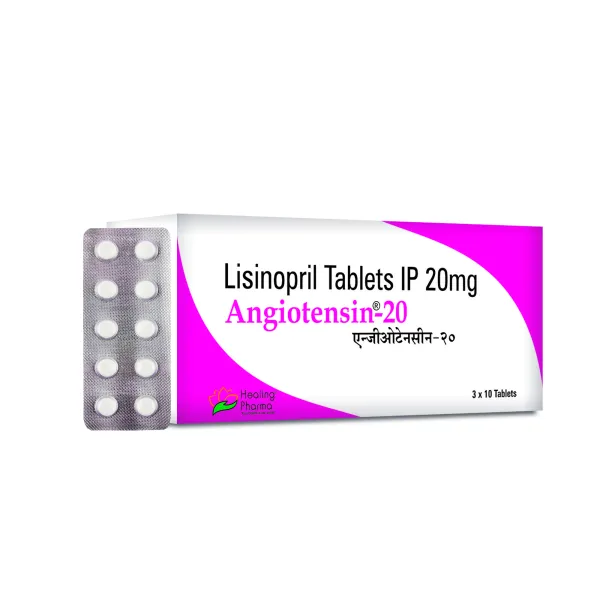
Angiotensin 20 mg is a powerful antihypertensive medication classified under angiotensin-converting enzyme (ACE) inhibitors. It is specifically designed for individuals requiring higher-dose therapy to manage severe or resistant hypertension, congestive heart failure, and cardiovascular complications. By inhibiting the ACE enzyme, it prevents the production of angiotensin II, a compound responsible for tightening blood vessels and increasing blood pressure. This action leads to widened blood vessels, lower blood pressure, and reduced strain on the heart.
Mechanism of Action
Angiotensin 20 mg works by blocking the formation of angiotensin II, which is known to:
Narrow blood vessels and increase vascular resistance
Stimulate aldosterone release, leading to sodium and water retention
Raise blood pressure and increase cardiac workload
By suppressing this pathway, Angiotensin 20 mg effectively lowers both systolic and diastolic blood pressure, improves circulation, and reduces the chances of cardiovascular complications.
Therapeutic Applications
Severe Hypertension: Angiotensin 20 mg is widely prescribed when lower strengths are insufficient for controlling high blood pressure.
Heart Failure: Helps improve the heart’s pumping ability, reduces swelling, and enhances exercise tolerance.
Post-Heart Attack Recovery: Supports patients in reducing the risk of further cardiac damage and improving survival rates.
Diabetic Kidney Protection: Slows down the progression of nephropathy in patients with diabetes and hypertension.
Dosage and Administration
The usual adult dosage for severe hypertension or heart failure is 20 mg once daily, but it may be split into two doses depending on medical guidance. Some patients may require adjustments based on their blood pressure response, kidney function, and other health conditions. The medication may be taken with or without food, but consistency in daily timing is essential.
Benefits of Angiotensin 20 mg
Provides strong blood pressure reduction in resistant hypertension
Reduces heart strain and enhances cardiac function
Offers kidney protection in high-risk patients
Prevents complications such as stroke, heart attack, and organ failure
Improves long-term cardiovascular outcomes
Side Effects
As with all ACE inhibitors, Angiotensin 20 mg may cause side effects. Common ones include headache, dizziness, fatigue, persistent dry cough, or mild stomach upset. Serious but rare side effects include angioedema (swelling of lips or face), high potassium levels, and impaired kidney function. Patients should immediately report unusual or severe symptoms to their doctor.
Safety Precautions
Contraindicated in pregnant women due to potential risks to the fetus.
Should not be used during breastfeeding unless approved by a doctor.
Patients with kidney disease, liver problems, or high potassium levels require careful monitoring.
Interaction may occur with diuretics, potassium supplements, NSAIDs, or other antihypertensives.
Regular check-ups are recommended to monitor blood pressure, kidney function, and electrolyte levels.
Lifestyle Modifications for Best Results
To maximize the benefits of Angiotensin 20 mg, patients are encouraged to:
Reduce salt and processed food intake
Maintain a balanced, heart-healthy diet
Exercise regularly to strengthen cardiovascular health
Quit smoking and limit alcohol consumption
Manage stress effectively through relaxation techniques
Conclusion
Angiotensin 20 mg is a high-dose, reliable, and clinically proven therapy for managing severe hypertension and advanced cardiovascular conditions. It plays a vital role in lowering blood pressure, reducing heart strain, and protecting vital organs such as the kidneys and heart. With its powerful therapeutic action, it significantly reduces the risks of stroke, heart attack, and kidney damage, ensuring long-term health benefits.

Reviews
There are no reviews yet.